Understanding Apartment Prices in Istanbul
Introduction
Apartment prices in Istanbul have become one of the most searched real estate topics among international buyers, and for good reason.
As Turkey's largest city and economic powerhouse, Istanbul offers an exceptionally diverse property market where apartment prices can vary dramatically from one district to another. A modern apartment in one neighborhood may cost three or four times more than a similar property only a few kilometers away. Understanding why these price differences exist is essential before making any investment decision.
For foreign buyers, Istanbul presents a unique opportunity. Compared with major cities such as London, Paris, Amsterdam, Munich, or Dubai, apartment prices remain relatively affordable while offering strong long-term appreciation potential. At the same time, the city continues to benefit from population growth, infrastructure investment, urban regeneration projects, and increasing international demand.
However, buying property based solely on price is rarely the right strategy.
The cheapest apartment is not always the best investment, and the most expensive district does not necessarily provide the highest return on investment. Successful buyers evaluate pricing together with transportation, rental demand, construction quality, future development, and overall neighborhood potential.
In this comprehensive market report, you'll learn how apartment prices are determined across Istanbul, compare the European and Asian sides of the city, discover which districts command the highest prices, and understand the factors that are expected to shape the market through 2030.
Whether you're purchasing your first overseas property, looking for a profitable investment, or planning to relocate to Turkey, this guide will help you understand Istanbul's apartment market and make more informed decisions.
What Determines Apartment Prices in Istanbul?
One of the biggest misconceptions among first-time buyers is that apartment prices are determined only by location.
In reality, pricing depends on a combination of economic, physical, and market factors. Two apartments located in the same district may differ significantly in value because of differences in accessibility, building quality, amenities, or future development potential.
Before comparing districts, it's important to understand the main factors influencing apartment prices throughout Istanbul.
Location
Location remains the single most important factor affecting property values.
Apartments situated near major business centers, waterfront areas, transportation hubs, and prestigious neighborhoods consistently command higher prices than similar properties in less accessible locations.
Premium locations generally benefit from:
Stronger demand
Better liquidity
Higher resale value
More stable long-term appreciation
For this reason, experienced investors typically select the location first and the apartment second.
District
Each of Istanbul's 39 districts has its own pricing structure.
Luxury districts such as Bebek, Etiler, and Nişantaşı occupy the highest end of the market, while emerging areas such as Kağıthane, Kartal, and Başakşehir continue attracting investors seeking long-term appreciation.
Meanwhile, districts like Beylikdüzü and Pendik often appeal to buyers looking for more affordable entry points into the Istanbul property market.
District selection should always align with your investment objectives rather than simply your available budget.
Building Age
The age of a building has a significant impact on its market value.
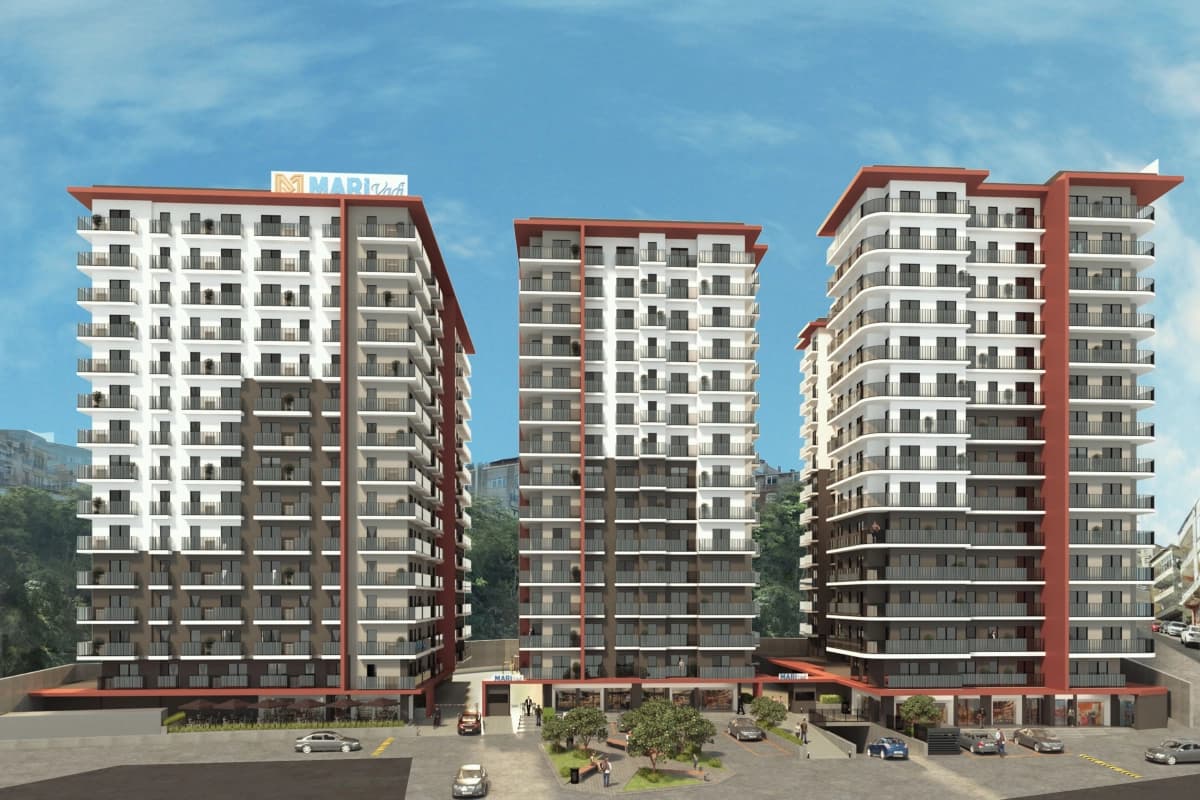
Modern developments generally command higher prices because they offer:
Contemporary architecture
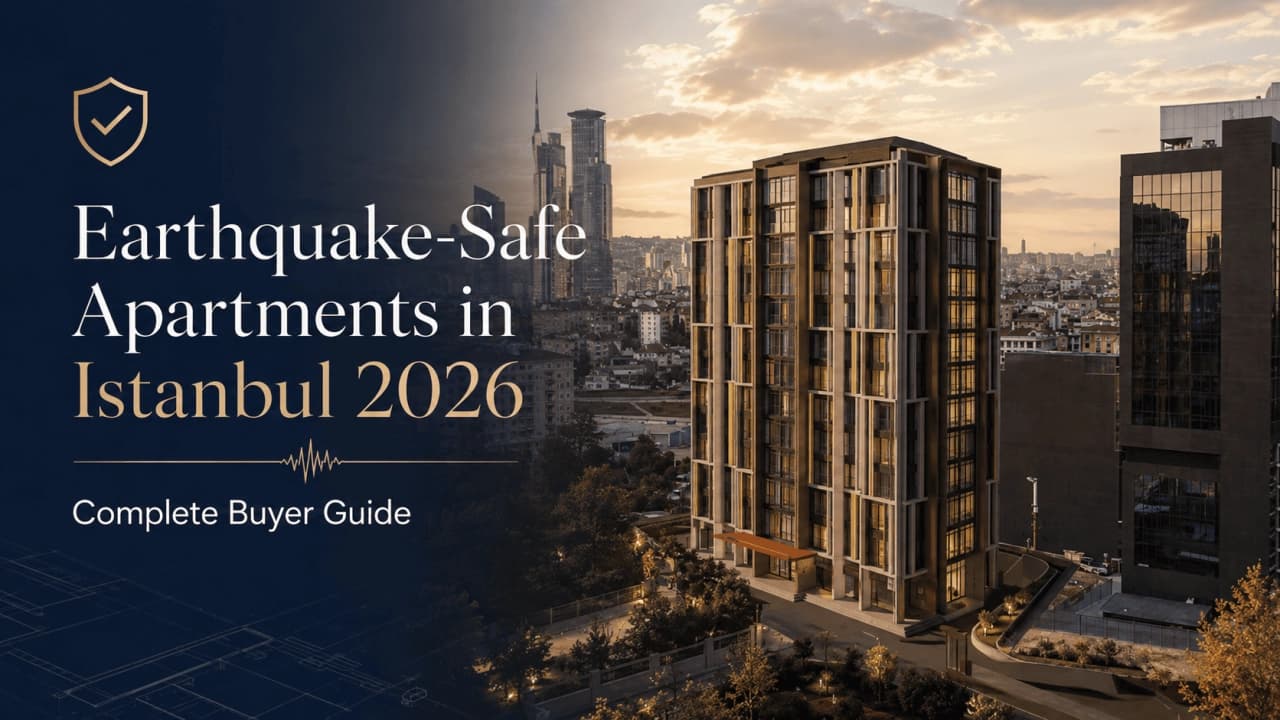
Improved earthquake resistance
Energy-efficient systems
Underground parking
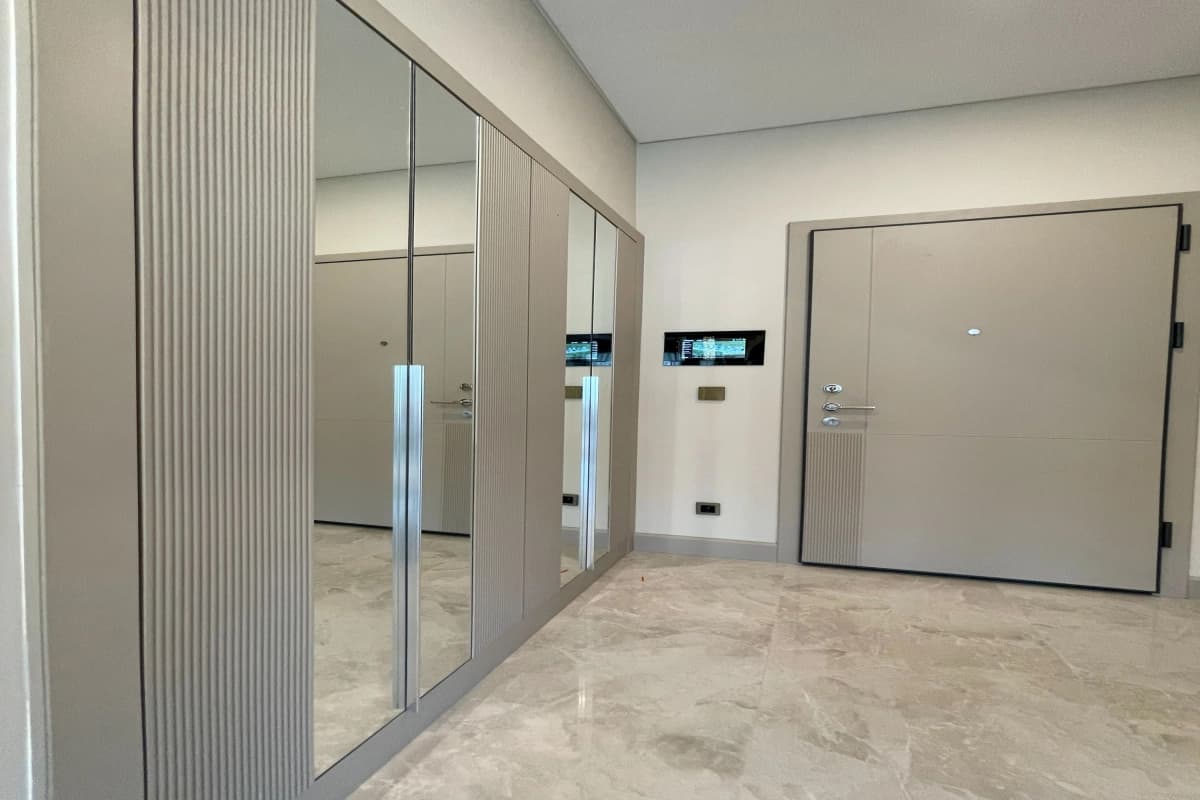
Smart home technology
Modern communal facilities
Older buildings may be available at lower prices but can require renovation or may have lower resale demand depending on their condition and location.
Transportation
Transportation infrastructure has become one of the strongest drivers of property appreciation in Istanbul.
Properties located within walking distance of public transport typically experience higher demand from both homeowners and tenants.
The most valuable transportation connections include:
Metro
Marmaray
Metrobus
Ferry terminals
TEM Highway
E-5 Highway
Historically, neighborhoods that gain new metro stations often experience above-average price growth in the years following completion.
Sea View and Bosphorus View
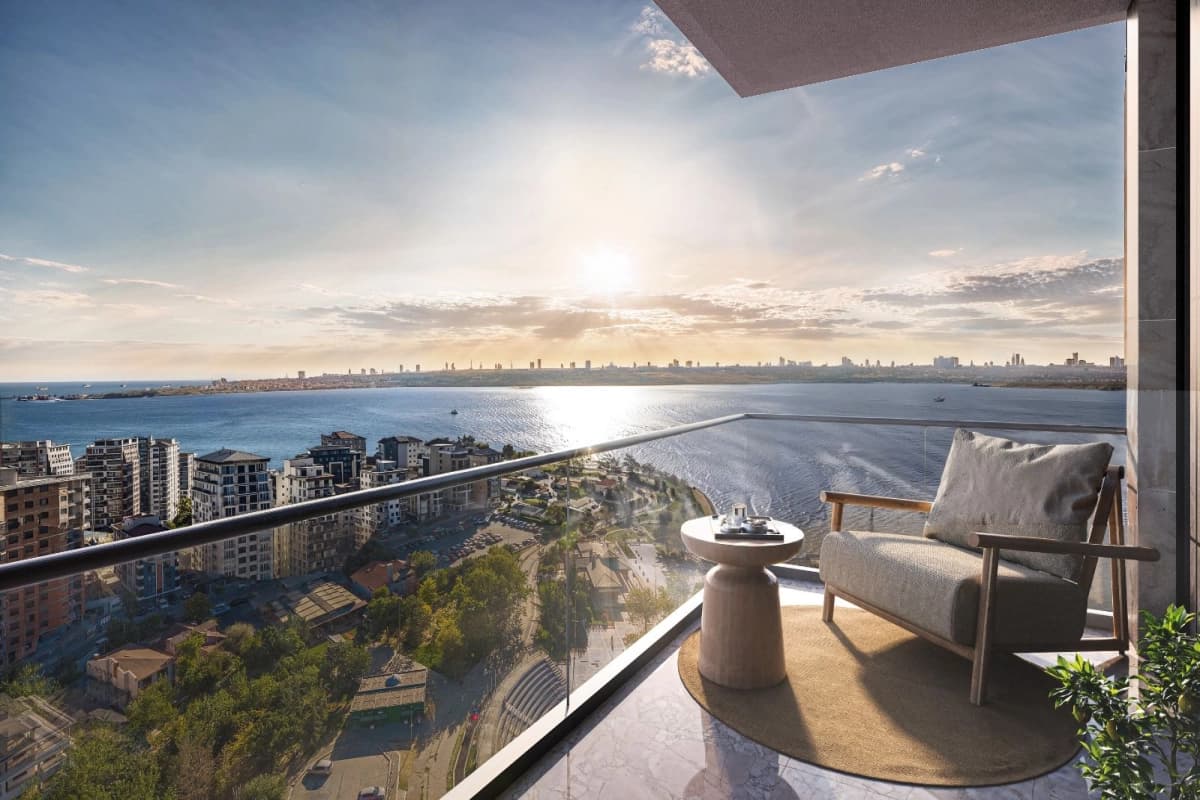
Views can dramatically influence apartment prices.
Properties overlooking the Bosphorus remain among the most prestigious residential assets in Turkey.
Apartments with unobstructed sea views generally command substantial price premiums because of:
Limited supply
Strong international demand
Luxury positioning
Exceptional lifestyle appeal
Even partial sea views may increase property values depending on the district.
Residential Compound Facilities
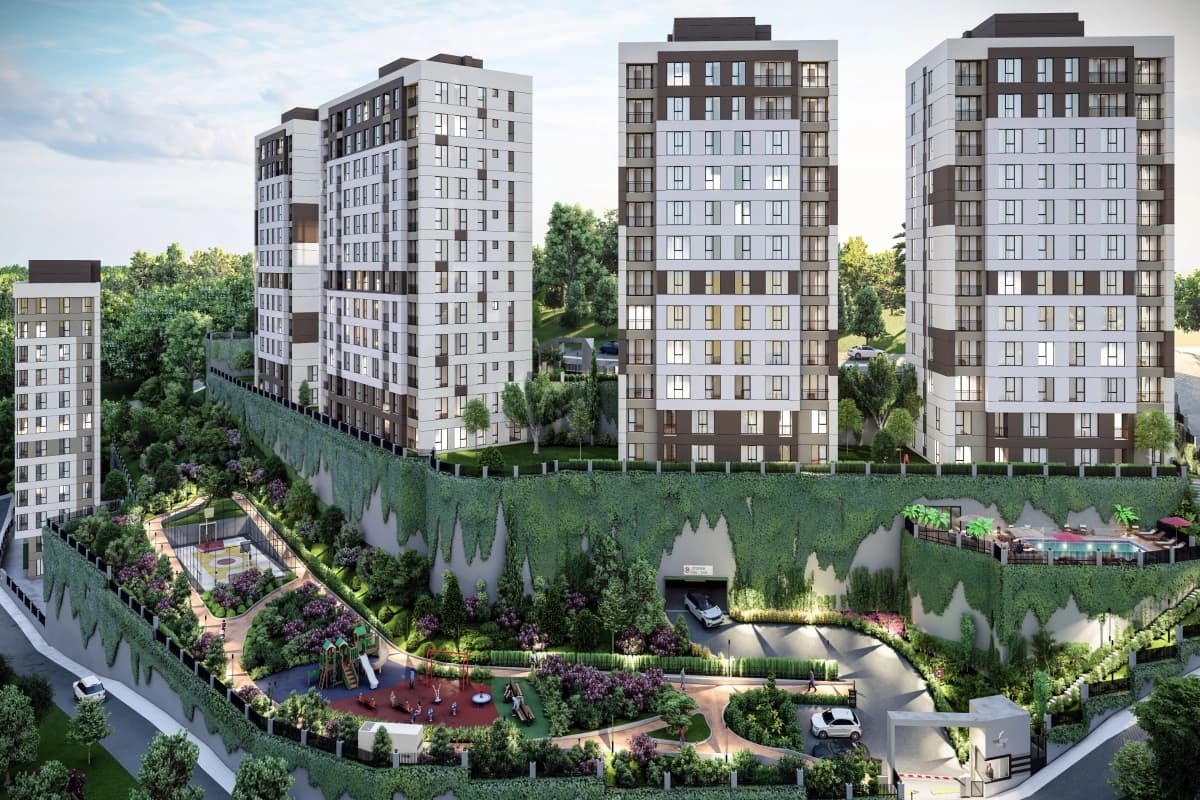
Modern residential developments often include facilities that significantly increase property values.
Common amenities include:
Swimming pools
Fitness centers
Children's playgrounds
Landscaped gardens
Walking trails
Indoor parking
Concierge services
24-hour security
Although these features increase purchase prices and monthly maintenance fees, they also improve resale value and tenant demand.
Developer Reputation
The reputation of the developer can strongly influence apartment pricing.
Projects built by established developers often command higher prices because buyers associate them with:
Better construction quality
Reliable project delivery
Professional property management
Higher resale value
When comparing apartments with similar specifications, properties developed by well-known companies often maintain stronger market performance over time.
Future Infrastructure Projects
Property markets price in future expectations as much as current conditions.
Districts expected to benefit from new transportation networks, business centers, hospitals, universities, or urban regeneration projects frequently experience price appreciation before construction is completed.
Examples of infrastructure that can influence apartment prices include:
Metro extensions
Financial centers
New hospitals
Public parks
Universities
Marina developments
Urban transformation projects
For investors, identifying these growth areas early can create significant long-term opportunities.
European Side vs Asian Side Apartment Prices
One of the first questions foreign buyers ask is whether apartment prices differ significantly between Istanbul's European and Asian sides.
The answer is yes—but price alone should never determine your decision.
The European Side generally commands higher average prices because it contains many of Istanbul's most established business districts, luxury neighborhoods, tourist attractions, and commercial centers.
The Asian Side, on the other hand, often provides better value for money while offering modern residential communities, family-friendly environments, and growing financial districts.
The following comparison highlights the key differences.
| Category | European Side | Asian Side |
|---|---|---|
| Average Price per m² | Higher | Moderate |
| Luxury Property Market | Excellent | Very Good |
| Rental Demand | Very High | High |
| Family Living | Very Good | Excellent |
| Business Centers | Excellent | Very Good |
| Green Spaces | Good | Excellent |
| Investment Potential | Excellent | Excellent |
| Entry Prices | Higher | More Affordable |
Neither side is objectively better.
The right choice depends on your budget, investment objectives, and preferred lifestyle.
Average Apartment Prices per Square Meter
Apartment prices vary considerably depending on the district, project quality, and property characteristics.
As a general rule:
Luxury waterfront neighborhoods command the highest prices.
Established central districts occupy the upper-middle segment.
Emerging investment areas provide strong value with excellent growth potential.
Developing districts offer the lowest entry prices but require more careful evaluation.
The following ranges represent typical market conditions for modern residential apartments in 2026.
| Market Segment | Average Price per m² (USD) |
|---|---|
| Ultra Luxury | $8,000–15,000+ |
| Premium | $5,000–8,000 |
| Upper Mid-Market | $3,500–5,000 |
| Mid-Market | $2,500–3,500 |
| Affordable | $1,800–2,500 |
Actual prices vary according to:
Building age
Floor level
View
Compound facilities
Transportation access
Developer reputation
Istanbul's Most Expensive Districts
Some districts consistently command premium prices because of their prestige, limited land availability, waterfront locations, and exceptional lifestyle offerings.
These neighborhoods represent the highest segment of Istanbul's residential property market.
Bebek
Bebek is widely regarded as Istanbul's most prestigious waterfront neighborhood.
Luxury apartments overlooking the Bosphorus command some of the highest residential prices in Turkey.
The district is known for:
Waterfront cafés
Luxury residences
Private marinas
Fine dining
Exclusive lifestyle
Property supply remains extremely limited, supporting long-term value.
Etiler
Etiler combines luxury residential living with excellent connectivity to Levent and Maslak.
It is particularly popular among business executives and affluent families.
Premium apartment developments, international schools, and upscale restaurants contribute to consistently high property values.
Nişantaşı
Often compared to luxury shopping districts in cities such as London or Paris, Nişantaşı is synonymous with prestige.
The district features:
Designer boutiques
Luxury apartments
Five-star hotels
Michelin-recognized restaurants
Historic architecture
Limited supply and strong demand continue supporting premium pricing.
Sarıyer
Stretching along the northern Bosphorus, Sarıyer combines luxury waterfront residences with green surroundings and exceptional privacy.
The district attracts both domestic and international high-net-worth buyers seeking long-term value and an exclusive lifestyle.
Beşiktaş
Beşiktaş remains one of Istanbul's most desirable residential districts due to its central location, Bosphorus access, vibrant social scene, and excellent transportation.
Luxury apartment projects in neighborhoods such as Ortaköy and Levent continue attracting buyers willing to pay premium prices for convenience and prestige.
Key Takeaways
Apartment prices in Istanbul are shaped by far more than location alone.
Factors such as transportation, developer reputation, building quality, sea views, future infrastructure, and neighborhood demand all contribute to property values.
While the European Side generally commands higher prices, the Asian Side often offers better value and strong long-term growth opportunities.
Understanding these pricing drivers is the first step toward making a successful investment in Istanbul's dynamic real estate market.
Apartment Prices by District & Historical Market GrowthNot every district in Istanbul falls into either the luxury or affordable category.
In fact, the majority of international buyers purchase apartments in mid-market districts that offer an excellent balance between affordability, quality of life, rental demand, and long-term appreciation.
These districts have benefited significantly from transportation improvements, urban regeneration, and new residential developments over the past decade.
Understanding how these markets compare will help buyers choose the right investment based on both their budget and long-term objectives.
Mid-Range Districts
Mid-range districts have become increasingly popular because they offer modern apartments at prices considerably lower than Istanbul's luxury neighborhoods while maintaining strong investment fundamentals.
Kağıthane
Kağıthane has become one of Istanbul's biggest real estate success stories.
Once known as an industrial district, it has transformed into one of the city's fastest-growing residential and commercial areas.
Its strategic location between Levent, Maslak, Şişli, and Beşiktaş makes it particularly attractive for professionals working in Istanbul's business centers.
Average Apartment Price
$3,000–4,500 per m²
Why Prices Continue Rising
Metro expansion
Urban regeneration
Business district proximity
Strong rental demand
Modern residential projects
Best For
Investors
Young professionals
Buy-to-let buyers
Ataşehir
Ataşehir is often described as the financial heart of Istanbul's Asian Side.
The development of the Istanbul International Financial Center has significantly increased demand for apartments throughout the district.
Average Apartment Price
$3,500–5,500 per m²
Price Drivers
Financial Center
Corporate employment
Modern high-rise developments
Excellent schools
Shopping malls
Best For
Corporate professionals
Families
Long-term investors
Başakşehir
Başakşehir has become one of Istanbul's most desirable family-oriented districts.
Large residential compounds, parks, schools, hospitals, and shopping centers continue attracting both Turkish and international buyers.
Average Apartment Price
$2,500–3,500 per m²
Why Investors Like Başakşehir
Family demand
Modern compounds
Large public investments
Stable appreciation
Best For
Families
Citizenship buyers
Long-term investment
Kartal
Kartal has undergone significant redevelopment during the past decade.
New residential towers overlooking the Sea of Marmara continue replacing former industrial areas.
Average Apartment Price
$2,500–3,800 per m²
Growth Factors
Marmaray
Metro
Marina
Airport proximity
Urban transformation
Best For
Investors
Families
Airport professionals
Üsküdar
Üsküdar offers a unique combination of historical charm and modern residential living.
Its Bosphorus location and excellent transportation make it one of Istanbul's most attractive residential districts.
Average Apartment Price
$3,500–5,500 per m²
Price Drivers
Bosphorus coastline
Ferry access
Metro
Prestige
Excellent schools
Best For
Families
Luxury buyers
Lifestyle investors
Affordable Investment Areas
Many investors mistakenly assume that affordable districts offer poor investment potential.
In reality, several lower-priced areas continue attracting attention because of infrastructure investment and urban development.
These districts often provide some of Istanbul's strongest long-term growth opportunities.
Beylikdüzü
Beylikdüzü remains one of the most popular districts among foreign buyers looking for spacious apartments at reasonable prices.
Average Apartment Price
$2,000–3,000 per m²
Advantages include:
Modern compounds
Large apartments
Marina
Metrobus
Family environment
Pendik
Pendik combines affordability with one of the strongest infrastructure stories on the Asian Side.
Average Apartment Price
$2,300–3,500 per m²
Growth is supported by:
Airport
Metro
Marina
Technology parks
Esenyurt
Esenyurt offers some of Istanbul's lowest apartment prices.
However, buyers should evaluate projects carefully because construction quality varies significantly between developments.
Average Apartment Price
$1,500–2,300 per m²
Best suited for:
Budget-conscious investors
Buyers seeking affordable entry prices
Arnavutköy
Arnavutköy has attracted considerable investor attention following the opening of Istanbul Airport.
Large infrastructure projects continue transforming the district.
Average Apartment Price
$1,800–2,800 per m²
Long-term growth drivers include:
Airport
Logistics
Transportation
New housing developments
Küçükçekmece
Küçükçekmece has become one of Istanbul's strongest emerging investment corridors.
Average Apartment Price
$2,300–3,400 per m²
The district benefits from:
Marmaray
Metro
Basin Express
Canal Istanbul discussions
Urban regeneration
Apartment Price Comparison by District
The following table provides a broad comparison of apartment prices across Istanbul's most popular districts.
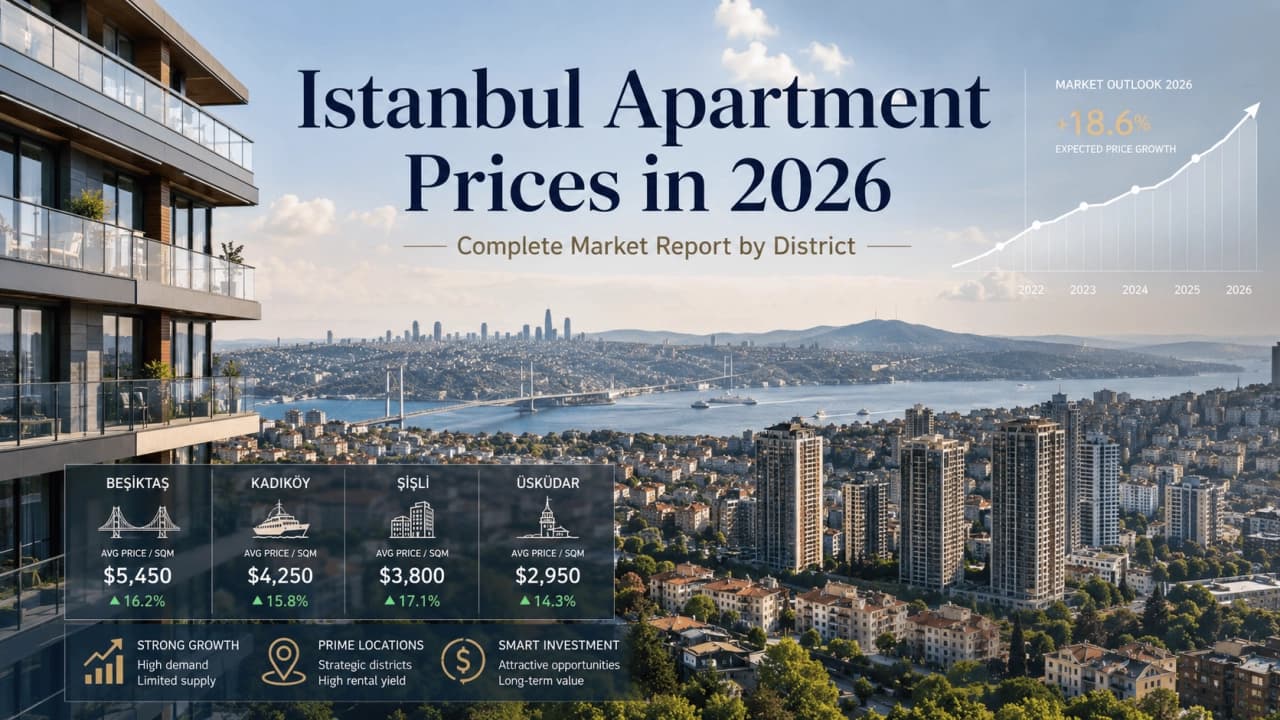
District Average Price per m² (USD) Market Segment Bebek $9,000–15,000 Ultra Luxury Etiler $8,000–12,000 Ultra Luxury Nişantaşı $7,500–12,000 Luxury Sarıyer $5,500–9,500 Luxury Beşiktaş $5,500–9,000 Luxury Maslak $4,500–8,000 Premium Şişli $4,000–7,000 Premium Ataşehir $3,500–5,500 Upper Mid Üsküdar $3,500–5,500 Upper Mid Kağıthane $3,000–4,500 Growth Başakşehir $2,500–3,500 Growth Kartal $2,500–3,800 Growth Pendik $2,300–3,500 Growth Küçükçekmece $2,300–3,400 Growth Beylikdüzü $2,000–3,000 Affordable Arnavutköy $1,800–2,800 Emerging Esenyurt $1,500–2,300 Budget
Historical Apartment Price Growth (2016–2026)
The Istanbul residential market has experienced remarkable transformation over the last decade.
Although individual districts have performed differently, several long-term trends have consistently influenced apartment prices.
2016–2018
The market experienced moderate growth driven by:
Population expansion
Foreign investment
Urban regeneration
Developing districts such as Başakşehir and Kağıthane began attracting increasing investor attention.
2019–2021
Government infrastructure investment accelerated.
Key projects included:
Metro expansion
Istanbul Airport
Financial Center
Healthcare campuses
Property demand continued shifting toward modern residential developments.
2022–2024
International demand increased significantly.
Developers responded by launching numerous branded residential projects targeting foreign investors.
Luxury districts experienced particularly strong appreciation.
2025–2026
Market activity became increasingly focused on:
Quality developments
Earthquake-resistant buildings
Transportation accessibility
Premium residential compounds
Investors placed greater emphasis on long-term value rather than short-term speculation.
Price Trends by Property Type
Different apartment categories have experienced different levels of appreciation.
Luxury Apartments
Luxury properties have benefited from:
Limited supply
International demand
Prestige
These apartments generally demonstrate stronger resilience during changing market conditions.
Family Apartments
Large apartments within secure residential compounds continue attracting consistent demand from both local and international families.
This segment has experienced steady price appreciation over the past decade.
Investment Apartments
Smaller apartments near:
Metro stations
Universities
Business districts
remain highly attractive because of strong rental demand.
Which Districts Offer the Best Value for Money?
For investors seeking the best balance between affordability and future appreciation, several districts stand out.
Kağıthane
Excellent transportation and business district access continue supporting price growth.
Başakşehir
One of Istanbul's strongest long-term family investment markets.
Kartal
Rapid redevelopment and sea-view projects make Kartal increasingly attractive.
Pendik
Airport expansion and transportation improvements continue driving demand.
Küçükçekmece
Infrastructure investment positions the district for future appreciation.
Key Takeaways
Istanbul's apartment market offers opportunities across every budget.
Luxury districts continue attracting high-net-worth buyers, while mid-market neighborhoods such as Kağıthane, Ataşehir, Başakşehir, and Kartal provide an excellent balance of affordability and investment potential.
For buyers with more limited budgets, districts like Pendik, Beylikdüzü, Arnavutköy, and Küçükçekmece offer attractive entry points into one of Europe's fastest-evolving property markets.
Rather than focusing solely on today's prices, investors should evaluate transportation, infrastructure, rental demand, and long-term development when selecting a district.
Future Price Forecast, Buying Tips & Frequently Asked QuestionsApartment prices are influenced by much more than current supply and demand.
Professional investors evaluate long-term trends before purchasing a property. They analyze infrastructure projects, demographic changes, economic indicators, and government policies to determine where future growth is most likely to occur.
While no one can predict the future with complete certainty, understanding the forces shaping Istanbul's property market allows investors to make more informed decisions and reduce unnecessary risk.
In this final section, we'll examine the outlook for apartment prices between 2026 and 2030, explore the factors expected to influence future values, share practical buying tips for foreign investors, and answer the questions buyers ask most frequently.
Future Apartment Price Forecast (2026–2030)
Istanbul's real estate market has experienced remarkable growth over the last decade.
Although future performance will depend on both domestic and global economic conditions, several long-term fundamentals continue supporting the city's residential market.
These include:
Population growth
Urban regeneration
Transportation investment
Increasing international demand
Expanding business districts
Limited supply in premium locations
These factors suggest that well-located residential properties are likely to remain attractive investment assets over the coming years.
Continued Population Growth
Istanbul remains Turkey's largest and fastest-growing metropolitan area.
Every year, thousands of people relocate to the city because of:
Employment opportunities
Higher education
Business development
Healthcare services
Lifestyle improvements
This continuous population growth creates sustained demand for residential housing.
As long as demand continues exceeding available supply in desirable districts, apartment prices are expected to remain supported.
Metro Expansion Will Continue Increasing Property Values
Transportation remains one of the strongest drivers of real estate appreciation.
Istanbul continues expanding one of Europe's largest metro systems.
Historically, neighborhoods connected to new metro lines have experienced:
Faster price appreciation
Higher rental demand
Improved liquidity
Greater investor interest
Future metro projects are expected to strengthen districts including:
Kağıthane
Kartal
Pendik
Başakşehir
Arnavutköy
Küçükçekmece
Urban Transformation Will Modernize Older Districts
Urban regeneration remains one of Istanbul's largest development initiatives.
Thousands of older residential buildings continue being replaced with:
Earthquake-resistant structures
Modern residential compounds
Mixed-use developments
Smart buildings
This transformation not only improves living standards but also increases the attractiveness of many previously overlooked neighborhoods.
Districts undergoing extensive redevelopment often outperform the wider market over the long term.
Premium Districts Will Continue Benefiting from Limited Supply
Luxury neighborhoods such as:
Bebek
Etiler
Nişantaşı
Sarıyer
face an important advantage.
New construction opportunities are extremely limited.
Because supply remains constrained while demand from affluent buyers continues, premium apartment prices are expected to remain resilient over time.
Luxury property markets typically experience lower volatility than many emerging residential districts.
Emerging Districts May Deliver Stronger Percentage Growth
Although luxury districts command the highest prices, emerging neighborhoods often generate higher percentage appreciation.
Investors seeking long-term growth frequently focus on districts where:
Infrastructure is improving.
Population is increasing.
Business activity is expanding.
Urban regeneration is underway.
Examples include:
Kağıthane
Kartal
Pendik
Arnavutköy
Küçükçekmece
These districts continue attracting investors searching for the next stage of Istanbul's expansion.
Factors Affecting Apartment Prices
Apartment prices never move because of one single factor.
Instead, multiple economic and local conditions interact simultaneously.
Understanding these drivers helps investors evaluate both current prices and future opportunities.
Inflation
Inflation influences construction costs, labor expenses, and replacement values.
As construction becomes more expensive, newly completed projects generally enter the market at higher prices, which may also affect the value of existing apartments.
Interest Rates
Mortgage interest rates influence purchasing power.
Lower borrowing costs generally stimulate demand from domestic buyers.
Higher rates may temporarily slow transaction volumes, although long-term housing demand often remains supported by population growth.
Currency Exchange Rates
Exchange rate movements influence international purchasing power.
Foreign buyers using stronger currencies may find Turkish real estate comparatively more affordable, encouraging additional overseas investment.
Infrastructure Projects
Major infrastructure investments often transform surrounding neighborhoods.
Examples include:
Metro lines
Financial centers
Hospitals
Universities
Shopping malls
Marinas
Historically, these developments have contributed to above-average property appreciation in nearby districts.
Population Growth
More residents create greater demand for housing.
As Istanbul continues attracting workers, students, entrepreneurs, and international residents, residential demand remains one of the city's strongest long-term fundamentals.
Tourism
Tourism supports both hospitality businesses and short-term accommodation demand.
Although not every apartment is suitable for holiday rentals, tourism contributes to the overall attractiveness of Istanbul's residential market.
Construction Quality
Buyers increasingly prioritize:
Earthquake-resistant buildings
Smart home technology
Energy efficiency
Modern amenities
High-quality developments generally command stronger resale values than older buildings requiring renovation.
Buying Tips for Foreign Investors
Purchasing property overseas requires careful planning.
The following recommendations can help reduce risk while improving long-term investment performance.
Choose the District Before Choosing the Apartment
Many first-time buyers focus primarily on the apartment itself.
Professional investors begin with the location.
A good apartment in an excellent district will usually outperform an outstanding apartment in a weak location.
Prioritize Transportation
Properties close to:
Metro stations
Marmaray
Business centers
generally experience stronger rental demand and higher resale values.
Transportation should always be considered a core investment criterion.
Work with Experienced Professionals
A successful property purchase usually involves collaboration with:
Licensed real estate advisors
Independent lawyers
Certified translators
Financial consultants
Professional guidance helps reduce legal and financial risks.
Verify All Legal Documents
Before completing any purchase, confirm:
Title Deed (Tapu)
Occupancy Permit (İskan)
Building permits
Property valuation
Outstanding debts
Proper legal verification protects your investment.
Think Long Term
The strongest real estate investments rarely produce exceptional returns overnight.
Instead, successful investors combine:
Rental income
Capital appreciation
Portfolio diversification
Patient ownership
Long-term thinking generally produces more sustainable investment outcomes.
Frequently Asked Questions
1. How much does an apartment cost in Istanbul?
Prices vary significantly depending on the district, property type, and project quality.
Budget-friendly areas may start around
1,.1,500 persquaremete , while luxury Bosphorus neighborhoods can exceed2. Which district has the highest apartment prices?
Bebek, Etiler, Nişantaşı, Sarıyer, and parts of Beşiktaş consistently rank among Istanbul's most expensive residential markets.
3. Which districts offer the best value for money?
Many investors consider Kağıthane, Başakşehir, Kartal, Pendik, and Küçükçekmece to offer an attractive balance between affordability and future appreciation.
4. Are apartment prices still increasing?
While annual growth rates vary depending on economic conditions, many well-located districts continue benefiting from infrastructure investment and strong housing demand.
5. Is the European Side more expensive?
In general, yes.
The European Side contains many of Istanbul's luxury neighborhoods and major business districts, although several premium areas also exist on the Asian Side.
6. Which side is better for families?
Many families prefer districts such as:
Başakşehir
Ataşehir
Üsküdar
Beylikdüzü
because of their schools, parks, hospitals, and residential compounds.
7. Which apartments generate the highest rental income?
Modern apartments located near metro stations and business districts generally achieve the strongest rental demand.
8. Does a sea view significantly increase price?
Yes.
Sea-view and Bosphorus-view apartments typically command substantial price premiums because of their limited availability.
9. Are new developments more expensive?
New projects often carry higher prices because they provide:
Modern construction
Better amenities
Smart technologies
Improved earthquake resistance
10. Should I buy an off-plan apartment?
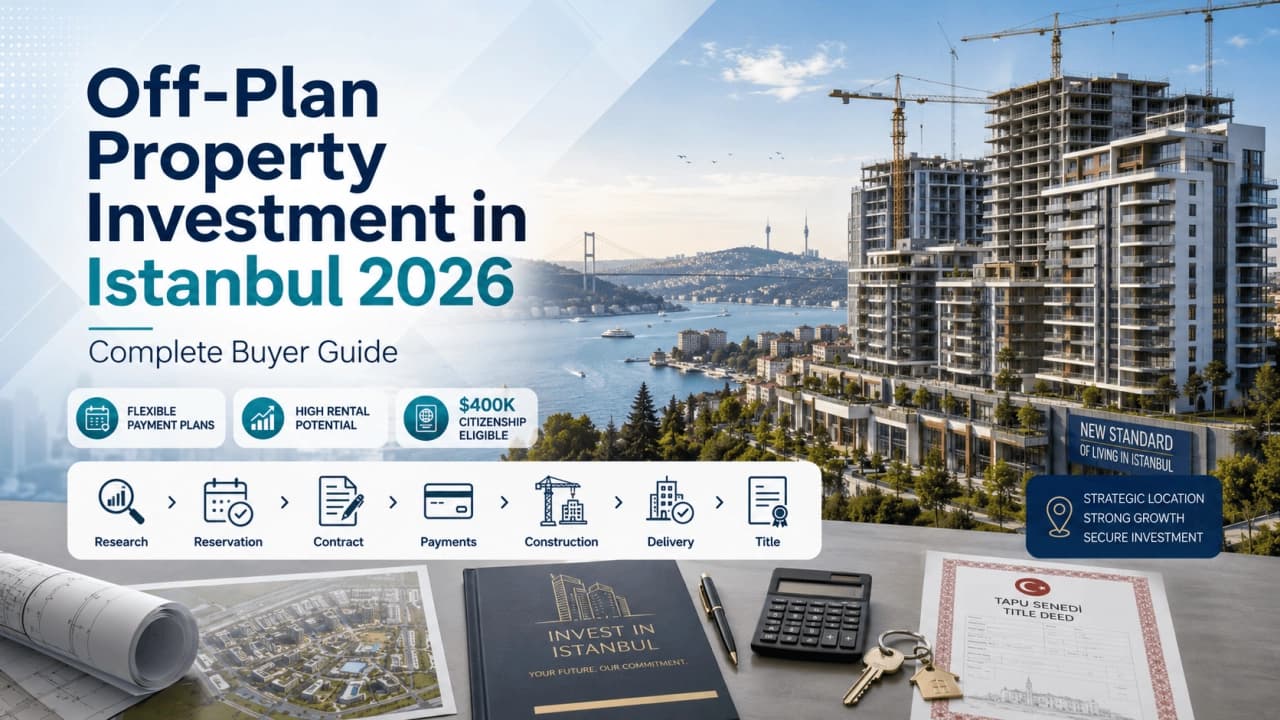
Off-plan projects may offer lower entry prices and flexible payment plans, but buyers should carefully evaluate the developer's reputation and construction progress.
11. Can foreigners purchase apartments throughout Istanbul?
Foreign nationals can purchase property in most areas of Istanbul, subject to Turkish regulations and certain restricted zones.
Professional legal advice is always recommended.
12. Is buying an apartment in Istanbul a good long-term investment?
Many investors view Istanbul as a long-term market supported by population growth, infrastructure expansion, and economic development.
As with any investment, outcomes depend on selecting the right property and location.
13. How important is developer reputation?
Developer reputation often influences construction quality, project management, maintenance standards, and future resale value.
Choosing an established developer can reduce investment risk.
14. Which districts are expected to grow the most by 2030?
Many analysts continue monitoring districts such as:
Kağıthane
Kartal
Pendik
Arnavutköy
Küçükçekmece
because of their ongoing infrastructure and redevelopment projects.
15. What is the biggest mistake foreign buyers make?
The most common mistake is choosing an apartment based solely on purchase price instead of evaluating location, transportation, rental demand, and long-term growth potential.
Conclusion
Apartment prices in Istanbul vary widely across the city's diverse districts, reflecting differences in location, infrastructure, transportation, construction quality, and lifestyle.
While luxury neighborhoods such as Bebek, Etiler, Nişantaşı, and Sarıyer continue to command premium prices, emerging districts like Kağıthane, Kartal, Pendik, and Başakşehir present compelling opportunities for investors seeking long-term appreciation.
Rather than focusing only on today's prices, successful buyers consider future infrastructure projects, rental demand, demographic trends, and the overall direction of neighborhood development.
For many international investors, Istanbul remains one of the few major metropolitan markets where modern apartments, strategic location, and long-term growth potential can still be found at competitive prices.
With careful planning, professional guidance, and a clear investment strategy, purchasing an apartment in Istanbul can provide not only a valuable real estate asset but also long-term financial security and access to one of the world's most dynamic cities.