
Introduction
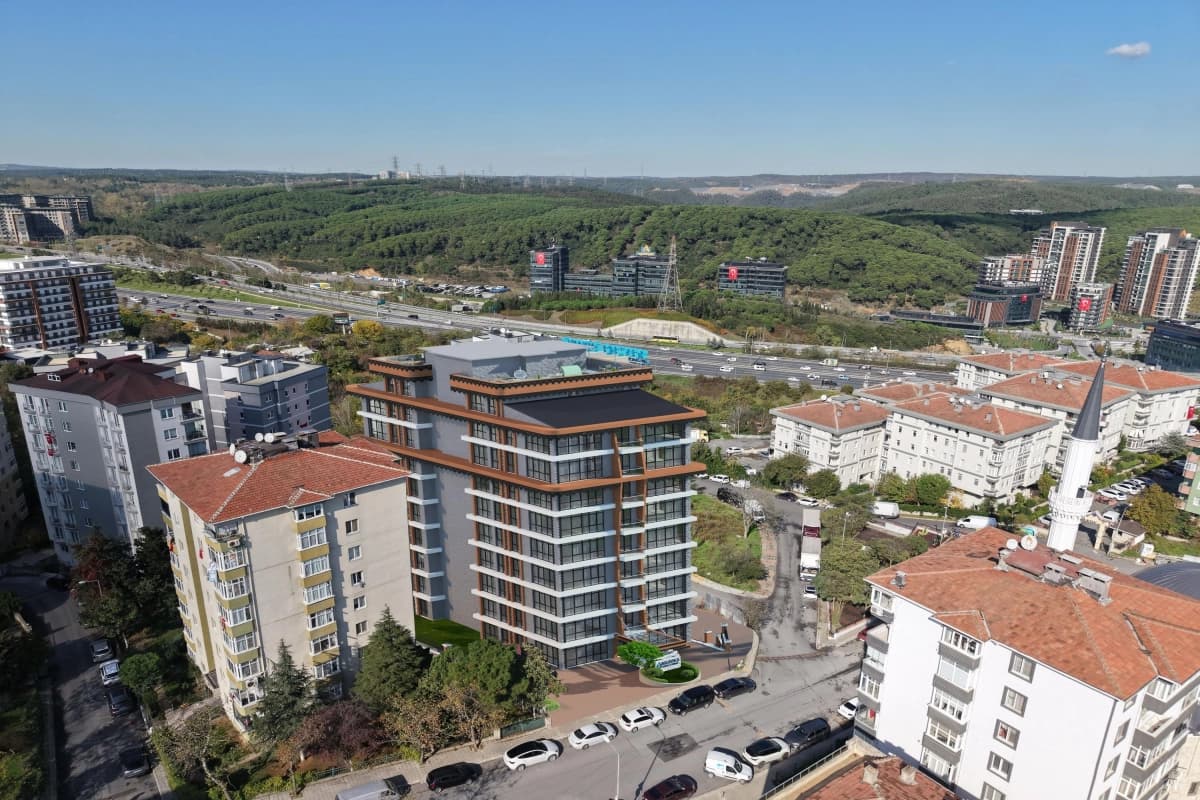
Buying an apartment in Istanbul is more than simply purchasing real estate—it's an investment in one of the world's fastest-growing metropolitan property markets. As the only city that spans two continents, Istanbul combines a strategic location, a dynamic economy, world-class infrastructure, and an exceptional quality of life, making it one of the most attractive destinations for international property buyers.
Every year, thousands of foreign investors choose Istanbul for different reasons. Some are looking for a profitable real estate investment with strong capital appreciation. Others want a permanent residence, a holiday home, or an apartment that qualifies for Turkey's Citizenship by Investment Program. Many simply recognize that Istanbul still offers significantly better value than other major international cities while maintaining excellent long-term growth potential.
Unlike many mature European property markets where prices have already reached historic highs, Istanbul continues to evolve. New metro lines, financial districts, healthcare campuses, universities, and large-scale urban regeneration projects continue to reshape the city and create new investment opportunities every year.
However, buying property in another country requires careful planning. Understanding the legal process, choosing the right district, evaluating apartment prices, calculating ownership costs, and identifying high-growth neighborhoods are all essential steps before making a purchase.
Whether you are purchasing your first overseas property or expanding an international real estate portfolio, this guide provides everything you need to know about buying an apartment in Istanbul in 2026.
By the end of this guide, you will understand:
Why Istanbul remains one of Europe's strongest real estate markets.
Which districts offer the best investment opportunities.
How much apartments cost across different neighborhoods.
The complete buying process for foreign buyers.
Legal requirements and ownership costs.
Common mistakes international buyers should avoid.
If your goal is to buy an apartment in Istanbul confidently and make an informed investment decision, this guide will serve as your complete roadmap.
Why Buy an Apartment in Istanbul?
For decades, Istanbul has been Turkey's economic, commercial, and cultural capital. Today, it is also one of the fastest-growing real estate markets in Europe, attracting investors from the Middle East, Europe, North America, Asia, and Africa.
Unlike many global cities where high entry prices limit investment opportunities, Istanbul still offers an attractive balance between affordability and long-term growth. Buyers can choose from affordable investment apartments, family-friendly residential communities, luxury waterfront residences, and modern mixed-use developments, all within the same metropolitan area.
Several factors continue to make Istanbul an attractive destination for foreign property buyers.
Competitive Property Prices
Compared with cities such as London, Paris, Dubai, Amsterdam, or Barcelona, apartment prices in Istanbul remain relatively affordable.
This lower entry cost allows investors to purchase larger properties or diversify their portfolios without requiring the same level of capital as other international markets.
For first-time international investors, Istanbul offers an accessible gateway into overseas real estate investment.
Strong Capital Appreciation
Property values in Istanbul have benefited from continuous infrastructure investment and population growth over the past two decades.
Major public projects—including new metro lines, highways, hospitals, business districts, and transportation hubs—continue to increase demand across many neighborhoods.
Investors who purchase apartments in developing districts often benefit from significant long-term appreciation.
High Rental Demand
With more than sixteen million residents and a growing population, Istanbul maintains one of the strongest residential rental markets in the region.
Demand comes from:
Turkish professionals
International companies
University students
Expatriates
Digital nomads
Medical tourists
Families relocating within the city
This broad tenant base creates stable rental demand throughout the year.
Modern Residential Developments
Many of Istanbul's newest apartment projects are designed according to international standards.
Buyers can expect facilities such as:
Indoor and outdoor swimming pools
Fitness centers
Children's playgrounds
Landscaped gardens
Smart home systems
Underground parking
24-hour security
Concierge services
These amenities improve both quality of life and long-term resale value.
Turkish Citizenship by Investment
Turkey's Citizenship by Investment Program continues to attract international buyers.
Qualified real estate investments may allow eligible applicants and their families to obtain Turkish citizenship while simultaneously owning a valuable property asset.
For many buyers, this creates both lifestyle and investment benefits.
Why Istanbul Is One of Europe's Most Attractive Property Markets
Few cities have transformed as dramatically as Istanbul over the last twenty years.
Continuous investment in transportation, healthcare, finance, education, and urban development has fundamentally changed the city's real estate landscape.
Today, Istanbul functions as Turkey's financial engine while also serving as a regional hub connecting Europe, Asia, and the Middle East.
Several large-scale infrastructure projects continue to support property values across the city.
Continuous Infrastructure Investment
Government investment has played a major role in strengthening Istanbul's property market.
Some of the city's most significant projects include:
Istanbul Airport
Marmaray Rail System
Eurasia Tunnel
Northern Marmara Motorway
Istanbul Financial Center
Expansion of the Metro Network
New public hospitals
University campuses
Historically, neighborhoods connected to new transportation infrastructure have experienced stronger property appreciation than areas without similar investment.
Strategic Global Location
Istanbul occupies one of the world's most important geographical positions.
Its location allows businesses and residents to reach Europe, Asia, the Middle East, and North Africa within only a few hours.
This strategic advantage continues attracting multinational corporations, entrepreneurs, logistics companies, and international investors.
As employment opportunities expand, demand for quality residential housing also increases.
A Young and Growing Population
Unlike many European countries experiencing population decline, Turkey has a relatively young population.
Istanbul continues attracting residents from across Turkey as well as international professionals seeking education, employment, and business opportunities.
Population growth remains one of the strongest long-term drivers of residential demand.
International Lifestyle
Modern Istanbul offers an exceptional combination of business, culture, education, healthcare, entertainment, and international connectivity.
Residents enjoy:
International schools
Private hospitals
Luxury shopping centers
Michelin-recognized restaurants
Museums
Cultural festivals
Marina developments
Bosphorus waterfront lifestyle
These lifestyle advantages make the city attractive not only to investors but also to families planning long-term relocation.
Understanding Istanbul's Apartment Market
One of Istanbul's greatest strengths is the diversity of its residential property market.
Unlike many cities where neighborhoods offer similar housing options, every district in Istanbul has its own identity, buyer profile, pricing structure, and investment characteristics.
Understanding these differences is essential before purchasing an apartment.
Luxury Apartments
Luxury apartments occupy the highest segment of Istanbul's property market.
These residences are typically located in prestigious districts such as:
Sarıyer
Beşiktaş
Nişantaşı
Etiler
Levent
Bebek
Luxury developments often include:
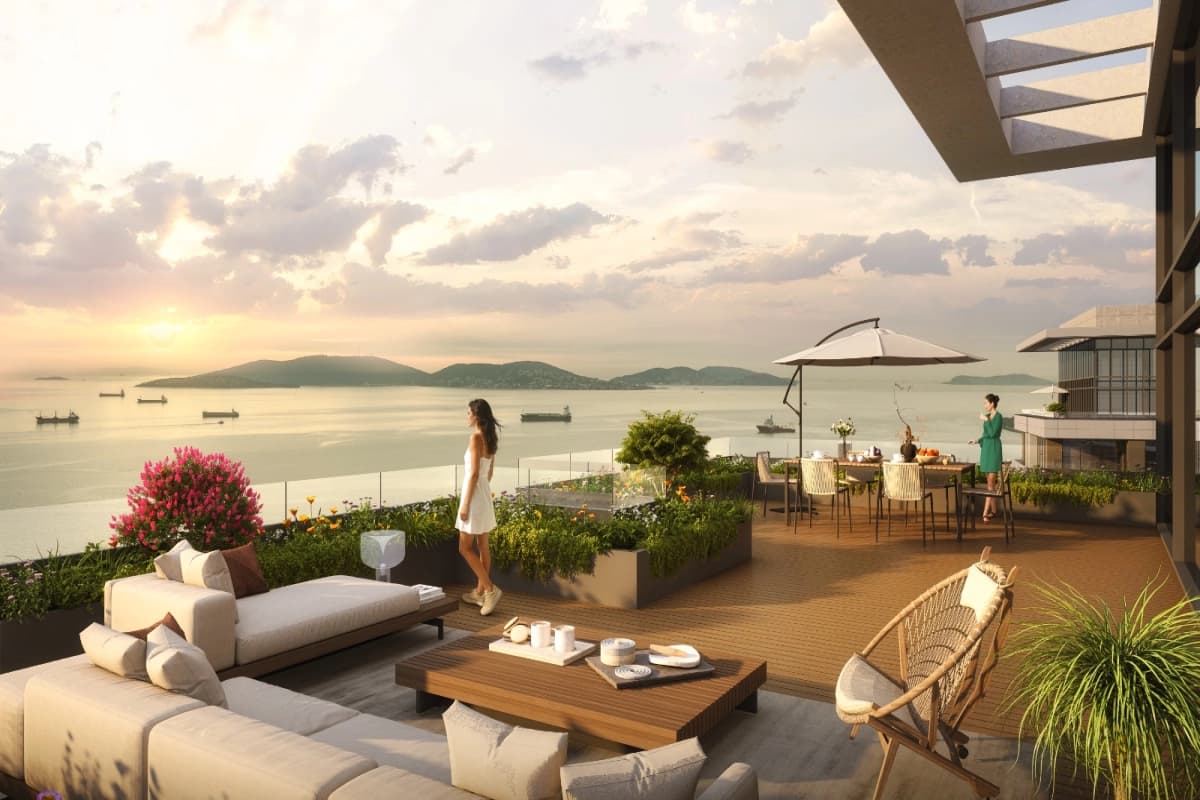
Bosphorus views
Smart home technology
Concierge services
Spa facilities
Indoor pools
Premium security
Private parking
Designer interiors
These properties primarily attract high-net-worth individuals, business executives, and international investors seeking prestige and long-term value.
Family-Oriented Residential Communities
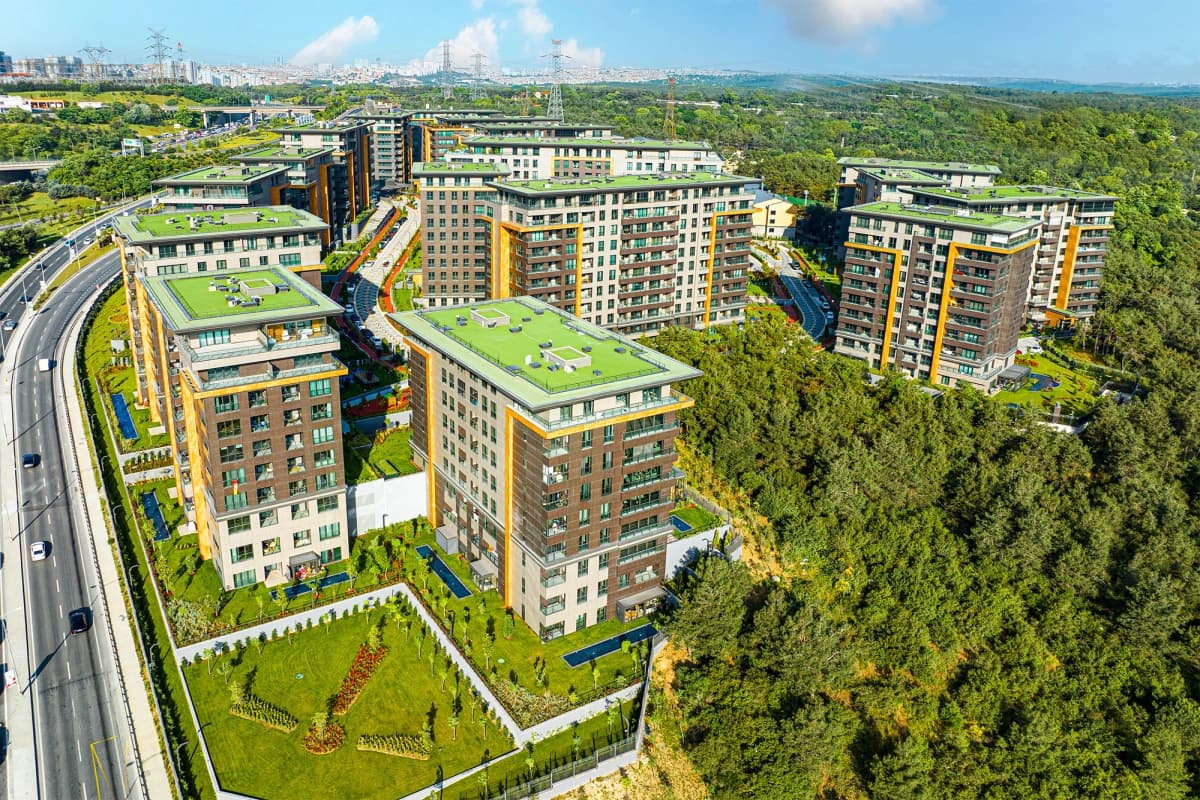
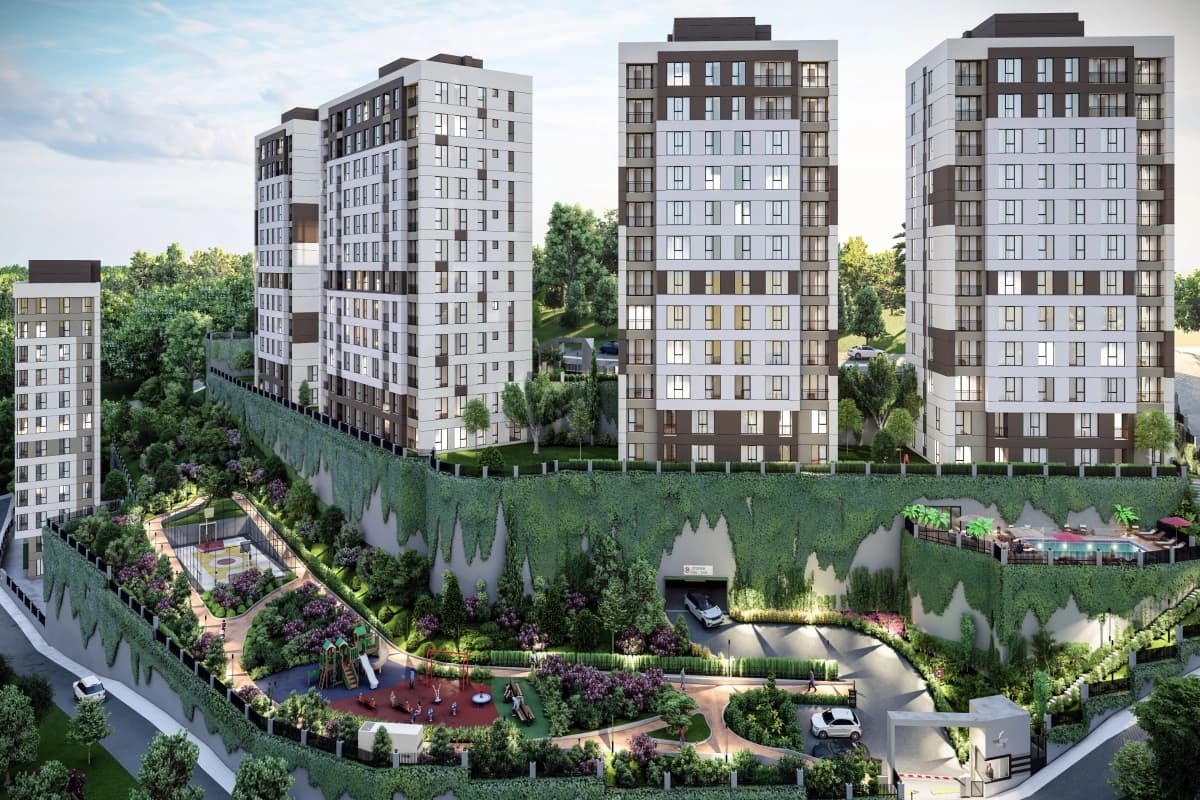
Large master-planned residential compounds have become increasingly popular among families.
These developments are designed to provide a secure and comfortable lifestyle while offering extensive social facilities.
Typical amenities include:
Green parks
Walking paths
Children's playgrounds
Sports courts
Swimming pools
Shopping areas
Cafés
Private security
Districts such as Başakşehir, Bahçeşehir, Beylikdüzü, and Ataşehir are particularly well known for this type of residential development.
Investment Apartments
Investment apartments are purchased primarily to generate rental income and long-term capital appreciation.
These properties are commonly located near:
Metro stations
Universities
Hospitals
Business districts
Financial centers
Commercial zones
High tenant demand makes these apartments particularly attractive to foreign investors seeking stable passive income.
Apartment vs Villa
While Turkey offers a wide range of luxury villas, apartments remain the preferred choice for the majority of international buyers.
The reasons extend far beyond price.
Lower Initial Investment
Apartments generally require significantly less capital than villas.
This lower entry cost enables investors to diversify across multiple properties instead of concentrating their entire investment in a single asset.
Easier Property Management
Modern apartment complexes are professionally managed.
Management companies typically handle:
Security
Cleaning
Maintenance
Landscaping
Technical services
This is particularly valuable for foreign owners who do not live in Turkey year-round.
Higher Rental Demand
Apartments appeal to a much broader tenant market than villas.
Potential tenants include:
Young professionals
Families
Students
Corporate employees
Expatriates
This results in lower vacancy rates and more consistent rental income.
Better Liquidity
Apartments generally sell more quickly than villas because they attract a wider range of buyers across different budget levels.
Greater liquidity provides investors with additional flexibility when exiting the market.
Who Should Buy an Apartment?
Buying an apartment in Istanbul is suitable for many different buyer profiles.
The ideal property depends on your financial goals, lifestyle, and long-term plans.
Property Investors
Investors generally prioritize:
Capital appreciation
Rental income
Portfolio diversification
Currency diversification
They typically focus on districts experiencing infrastructure growth and increasing rental demand.
Families
Families usually prioritize neighborhoods offering:
International schools
Hospitals
Parks
Shopping malls
Public transportation
Safe residential communities
Master-planned developments remain particularly popular for long-term family living.
Digital Nomads and Remote Professionals
With excellent internet infrastructure, international connectivity, and relatively affordable living costs, Istanbul has become increasingly attractive for remote workers.
Many choose the city because it offers:
Modern coworking spaces
Vibrant café culture
International communities
Direct flights to hundreds of destinations
Retirees
Retirees often seek apartments in secure residential communities offering:
Easy maintenance
Healthcare access
Quiet surroundings
Recreational facilities
Comfortable living environments
Citizenship by Investment Applicants
Many international buyers purchase apartments that qualify for Turkey's Citizenship by Investment Program.
Beyond obtaining citizenship, these buyers also benefit from owning a real estate asset in one of the region's most dynamic property markets.
Choosing the Best District to Buy an Apartment in Istanbul
Selecting the right district is arguably the most important decision you'll make when purchasing an apartment in Istanbul.
Two apartments with identical layouts, sizes, and amenities can differ dramatically in value simply because they are located in different neighborhoods. More importantly, the district you choose will influence your property's future appreciation, rental demand, quality of life, and resale potential.
Istanbul consists of 39 districts spread across two continents, each offering a unique lifestyle and investment profile. Some areas are internationally recognized luxury destinations, while others are emerging investment hotspots undergoing rapid urban transformation.
Rather than asking,
"Which district is the best?"
foreign buyers should ask,
"Which district is the best for my investment goals?"
This section explores the most popular districts for foreign buyers and explains which areas are best suited for investors, families, luxury buyers, and long-term residents.
European Side vs Asian Side
One of the first decisions every foreign buyer faces is whether to purchase property on Istanbul's European Side or Asian Side.
Both sides offer excellent opportunities, but they appeal to different lifestyles and investment strategies.
Buying on the European Side
The European Side is considered the economic and commercial heart of Istanbul.
It contains many of the city's:
Business districts
Tourist attractions
Luxury neighborhoods
International schools
Financial institutions
Five-star hotels
Districts on the European Side generally attract more foreign investors because they combine strong rental demand with excellent transportation infrastructure.
Advantages include:
Higher international recognition
Strong demand from expatriates
Better short-term and long-term rental opportunities
Greater concentration of luxury developments
Direct access to major business centers
Popular European districts include:
Beşiktaş
Sarıyer
Şişli
Kağıthane
Başakşehir
Bahçelievler
Zeytinburnu
Beylikdüzü
Potential disadvantages:
Higher apartment prices
Heavier traffic
Greater competition for premium properties
Buying on the Asian Side
The Asian Side offers a different lifestyle.
Generally quieter and greener, it has become increasingly popular among families and professionals seeking a better work-life balance.
Over the last decade, districts such as Ataşehir and Kartal have experienced remarkable development, transforming into modern business and residential hubs.
Advantages include:
Better value for money
Modern residential communities
Family-friendly neighborhoods
More parks and green spaces
Lower population density
Growing financial districts
Popular Asian districts include:
Kadıköy
Ataşehir
Üsküdar
Kartal
Pendik
Maltepe
Potential disadvantages:
Fewer luxury Bosphorus residences
Less tourism-driven rental demand
Some developing districts still lack mature commercial infrastructure
Which Side Should You Choose?
The answer depends entirely on your objectives.
| Buyer Profile | Recommended Side |
|---|---|
| Luxury Lifestyle | European Side |
| Rental Investment | European Side |
| Family Living | Asian Side |
| First-Time Buyer | Asian Side |
| Capital Appreciation | Both |
| Citizenship Investment | Both |
Rather than choosing one side over the other, experienced investors evaluate each district individually based on infrastructure, transportation, and future development.
Best Districts for Investment
Not every district delivers the same investment performance.
Professional investors focus on neighborhoods where infrastructure improvements, transportation projects, and demographic growth support long-term appreciation.
Başakşehir
Başakşehir has become one of Istanbul's most successful master-planned districts.
The area offers:
Modern residential compounds
International schools
Large public parks
Metro access
One of Europe's largest city hospitals
Why investors choose Başakşehir:
Strong family demand
Continuous infrastructure investment
Excellent long-term appreciation
High-quality residential projects
Ideal for:
Long-term investors
Families
Citizenship buyers
Kağıthane
Kağıthane has experienced one of the most impressive urban transformations in Istanbul.
Its location between Levent, Maslak, and Şişli makes it highly attractive for professionals working in Istanbul's business districts.
Advantages:
Excellent metro access
High rental demand
Modern apartment developments
Strong appreciation potential
Ideal for:
Buy-to-let investors
Young professionals
First-time investors
Küçükçekmece
Küçükçekmece has become one of the fastest-growing investment corridors in Istanbul.
The district benefits from:
Marmaray
Metro expansion
Basin Express business corridor
New residential projects
Its strategic location continues attracting both local and international buyers.
Ideal for:
Medium-term investors
Rental income
Future appreciation
Pendik
Pendik is one of the Asian Side's strongest investment districts.
Major growth drivers include:
Sabiha Gökçen International Airport
Metro expansion
Marina developments
Technology parks
Pendik combines affordable prices with strong long-term growth potential.
Best Districts for Families
Families typically prioritize safety, education, healthcare, transportation, and green spaces over short-term investment returns.
The following districts consistently rank among the most family-friendly in Istanbul.
Başakşehir
Known for:
Excellent schools
Wide streets
Parks
Modern compounds
Low-density planning
It is particularly popular among international families relocating to Istanbul.
Bahçeşehir
Often referred to as the "Garden City," Bahçeşehir offers:
Lakes
Parks
International schools
Shopping centers
Family-oriented communities
Its peaceful atmosphere makes it one of Istanbul's preferred residential suburbs.
Ataşehir
Ataşehir combines modern living with excellent business connectivity.
Families benefit from:
International schools
Hospitals
Shopping malls
Financial center employment
Modern apartment projects
Beylikdüzü
Beylikdüzü offers larger apartments at more affordable prices than central Istanbul.
Families appreciate:
Spacious layouts
Wide boulevards
Modern developments
Coastal lifestyle
Good transportation
Best Luxury Districts
Luxury buyers typically seek prestige, waterfront living, privacy, and premium services.
Several districts consistently dominate Istanbul's luxury market.
Sarıyer
Sarıyer combines:
Bosphorus views
Luxury villas
Premium apartments
Forest surroundings
It remains one of Istanbul's most prestigious residential districts.
Beşiktaş
Beşiktaş offers:
Waterfront lifestyle
Luxury residences
Vibrant social life
Excellent transportation
The district continues attracting executives and wealthy international buyers.
Nişantaşı
Nişantaşı is Istanbul's luxury shopping and lifestyle destination.
Residents enjoy:
Designer boutiques
Michelin-quality restaurants
Luxury residences
Five-star hotels
Properties here command some of the highest prices in Turkey.
Bebek
Few neighborhoods carry the international prestige of Bebek.
Its waterfront location, exclusive cafés, luxury apartments, and marina lifestyle make it one of the city's most desirable addresses.
Best Districts for Rental Income
Investors seeking passive income should focus on districts with strong tenant demand.
The following areas consistently perform well.
Kağıthane
Demand from:
Office workers
Young professionals
Students
creates a healthy rental market.
Şişli
Located near Istanbul's business center, Şişli benefits from constant demand from:
Corporate employees
International companies
Medical professionals
Kadıköy
Kadıköy attracts:
Young professionals
University students
Expats
Digital nomads
Its lively atmosphere supports both long-term and furnished rentals.
Başakşehir
Large family apartments are consistently rented by:
Healthcare workers
Families
Government employees
International residents
Emerging Districts with Strong Future Potential
Some districts remain relatively affordable today but are expected to benefit significantly from future development.
Arnavutköy
Growth is driven by:
Istanbul Airport
Logistics centers
New residential projects
Many investors believe Arnavutköy will become one of Istanbul's strongest long-term investment markets.
Sultangazi
Historically overlooked, Sultangazi is improving through:
Urban regeneration
Metro expansion
Infrastructure investment
Sultanbeyli
Located on the Asian Side, Sultanbeyli offers:
Affordable apartment prices
Growing transportation links
Increasing residential demand
It is becoming an attractive option for budget-conscious investors.
Comparing the Best Districts
| District | Investment | Family Living | Rental Demand | Luxury | Growth Potential |
|---|---|---|---|---|---|
| Başakşehir | ⭐⭐⭐⭐⭐ | ⭐⭐⭐⭐⭐ | ⭐⭐⭐⭐ | ⭐⭐⭐ | ⭐⭐⭐⭐⭐ |
| Kağıthane | ⭐⭐⭐⭐⭐ | ⭐⭐⭐ | ⭐⭐⭐⭐⭐ | ⭐⭐⭐ | ⭐⭐⭐⭐⭐ |
| Sarıyer | ⭐⭐⭐⭐ | ⭐⭐⭐⭐ | ⭐⭐⭐⭐ | ⭐⭐⭐⭐⭐ | ⭐⭐⭐⭐ |
| Beşiktaş | ⭐⭐⭐⭐ | ⭐⭐⭐⭐ | ⭐⭐⭐⭐⭐ | ⭐⭐⭐⭐⭐ | ⭐⭐⭐⭐ |
| Kadıköy | ⭐⭐⭐⭐ | ⭐⭐⭐⭐ | ⭐⭐⭐⭐⭐ | ⭐⭐⭐⭐ | ⭐⭐⭐⭐ |
| Ataşehir | ⭐⭐⭐⭐ | ⭐⭐⭐⭐⭐ | ⭐⭐⭐⭐ | ⭐⭐⭐ | ⭐⭐⭐⭐ |
| Pendik | ⭐⭐⭐⭐ | ⭐⭐⭐⭐ | ⭐⭐⭐ | ⭐⭐ | ⭐⭐⭐⭐⭐ |
| Beylikdüzü | ⭐⭐⭐⭐ | ⭐⭐⭐⭐⭐ | ⭐⭐⭐ | ⭐⭐ | ⭐⭐⭐⭐ |
Key Takeaways
Choosing the right district is one of the most important decisions when buying an apartment in Istanbul.
Rather than searching for a single "best" neighborhood, foreign buyers should identify districts that align with their personal goals.
For long-term investment: Kağıthane, Başakşehir, Küçükçekmece, and Pendik offer strong appreciation potential.
For luxury living: Sarıyer, Beşiktaş, Bebek, and Nişantaşı remain unmatched.
For families: Başakşehir, Bahçeşehir, Ataşehir, and Beylikdüzü provide excellent residential environments.
For rental income: Kağıthane, Şişli, Kadıköy, and Başakşehir consistently attract tenants.
Ultimately, the best apartment is not simply the newest or most expensive—it is the one located in a district that matches your investment strategy, lifestyle, and long-term objectives.
The Complete Buying Process for Foreign Buyers
Buying an apartment in Istanbul is a straightforward process for most foreign nationals, provided that the correct legal procedures are followed. Turkey has simplified real estate regulations over the past decade, making it easier than ever for international investors to purchase residential property.
However, purchasing property abroad is very different from buying in your home country. Understanding each step of the process helps reduce risks, avoid costly mistakes, and ensure that ownership is transferred legally and securely.
This section explains every stage of buying an apartment in Istanbul, from choosing a property to receiving the official Title Deed (Tapu).
Finding the Right Apartment
Choosing the right apartment is much more than selecting a beautiful property.
Before arranging viewings, buyers should clearly define their objectives.
Investment Property
If your goal is investment, prioritize:
Capital appreciation
Rental demand
Metro accessibility
Future infrastructure projects
Developer reputation
Location should always take priority over interior finishes.
Family Residence
Families should focus on:
International schools
Hospitals
Parks
Shopping centers
Public transportation
Safe residential communities
Master-planned compounds often provide the best long-term living experience.
Holiday Home
Holiday apartment buyers generally prefer:
Bosphorus views
Coastal districts
Marina developments
Entertainment areas
Easy airport access
Citizenship Investment
If purchasing for Turkish Citizenship by Investment, ensure that:
The property qualifies under current regulations.
The developer has completed all legal requirements.
The valuation supports the required investment amount.
Choosing a Reputable Real Estate Agency
Working with an experienced real estate company significantly reduces risk.
A professional agency should help you:
Understand the market
Compare districts
Arrange viewings
Negotiate pricing
Coordinate legal documentation
Assist throughout the purchase process
Avoid purchasing property solely through online advertisements without independent verification.
A trustworthy agency should be transparent about:
Developer reputation
Building quality
Maintenance fees
Future infrastructure
Potential risks
Viewing Apartments
Never purchase an apartment based solely on photographs or marketing brochures.
Whenever possible, visit the property in person.
During a viewing, evaluate:
Construction Quality
Look for:
Finishing quality
Natural lighting
Sound insulation
Ventilation
Storage space
Building Facilities
Modern developments often include:
Swimming pools
Fitness centers
Children's playgrounds
Underground parking
Walking areas
Security systems
Compare amenities between projects before making a decision.
Neighborhood
Walk around the neighborhood.
Consider:
Public transportation
Shops
Restaurants
Schools
Hospitals
Future developments
The surrounding area often has a greater impact on long-term value than the apartment itself.
Reserving the Apartment
Once you've selected a property, the developer or seller may ask for a reservation deposit.
This temporarily removes the apartment from the market while contracts are prepared.
Reservation deposits vary depending on:
Property price
Developer policies
Negotiated terms
Always request written confirmation of:
Reservation amount
Refund policy
Reservation period
Obtaining a Turkish Tax Number
Every foreign buyer must obtain a Turkish Tax Identification Number.
This number is required for:
Property purchase
Bank account opening
Utility registration
Tax payments
Obtaining a tax number is generally a straightforward process.
Typical documents include:
Passport
Address information
Your legal representative or real estate consultant can usually assist with this process.
Opening a Turkish Bank Account
Although some developers accept international transfers directly, opening a Turkish bank account makes the transaction significantly easier.
A local account is commonly used for:
Purchase payments
Utility bills
Maintenance fees
Rental income
Tax payments
Banks may request:
Passport
Turkish Tax Number
Proof of address
Many major Turkish banks provide English-speaking staff and online banking services.
Property Valuation Report
A professional valuation report is an important part of the purchasing process.
The report estimates the property's market value based on:
Location
Size
Building quality
Comparable sales
Current market conditions
For many foreign transactions—including citizenship applications—a certified valuation report is required.
The valuation also helps buyers ensure they are paying a fair market price.
Legal Due Diligence
Before signing any agreement, legal checks should be completed.
A qualified lawyer should verify:
Ownership status
Title Deed accuracy
Outstanding debts
Mortgages
Liens
Court disputes
Construction permits
This process protects buyers from legal complications after the purchase.
Signing the Sales Agreement
Once all legal checks have been completed, both parties sign the Sales Agreement.
The agreement normally specifies:
Purchase price
Payment schedule
Completion date
Responsibilities of buyer and seller
Penalties for breach of contract
Never sign a contract you do not fully understand.
If necessary, have it translated into your native language before signing.
Making the Payment
Payments are generally made through bank transfer.
For security reasons:
Avoid large cash transactions.
Keep copies of every payment receipt.
Ensure payments follow the agreed schedule.
International transfers should clearly identify:
Buyer
Seller
Property reference
Maintaining accurate payment records simplifies future legal procedures.
Title Deed (Tapu) Transfer
The Tapu is the official ownership document issued by the Turkish Land Registry.
Ownership officially transfers only after the Tapu has been registered.
During the transfer:
Buyer and seller attend the Land Registry Office (or are represented by attorneys).
Purchase taxes and fees are paid.
Ownership records are updated.
Once the process is completed, the buyer becomes the legal owner of the apartment.
What Information Appears on the Tapu?
The Title Deed typically includes:
Owner's name
Property address
Parcel number
Property type
Land registry information
Official registration details
Always verify that all information is accurate before leaving the Land Registry Office.
Buying Property with Power of Attorney
Many international buyers cannot travel to Turkey multiple times during the purchase process.
Fortunately, Turkish law allows property purchases through a Power of Attorney.
This authorizes a trusted lawyer or representative to complete legal procedures on the buyer's behalf.
Typical responsibilities include:
Signing contracts
Opening bank accounts
Paying taxes
Completing Tapu transfer
Utility registration
Power of Attorney can usually be issued at:
Turkish Consulates
Turkish Notaries
This option makes overseas purchases significantly more convenient.
Registering Utilities
After ownership has been transferred, utility services should be registered.
Typical services include:
Electricity
Water
Natural gas
Internet
Telephone
Your real estate consultant or property management company can usually assist with these registrations.
Annual Ownership Costs
Apartment ownership involves several ongoing expenses.
These typically include:
Property Tax
Owners pay annual municipal property tax based on the property's official value.
Rates vary depending on:
Property type
Municipality
Location
Building Maintenance Fees (Aidat)
Most apartment complexes charge monthly maintenance fees covering:
Security
Cleaning
Landscaping
Swimming pools
Elevators
Shared facilities
Luxury developments generally have higher monthly fees due to additional amenities.
Utilities
Owners are responsible for:
Electricity
Water
Natural gas
Internet
Actual costs depend on occupancy and consumption.
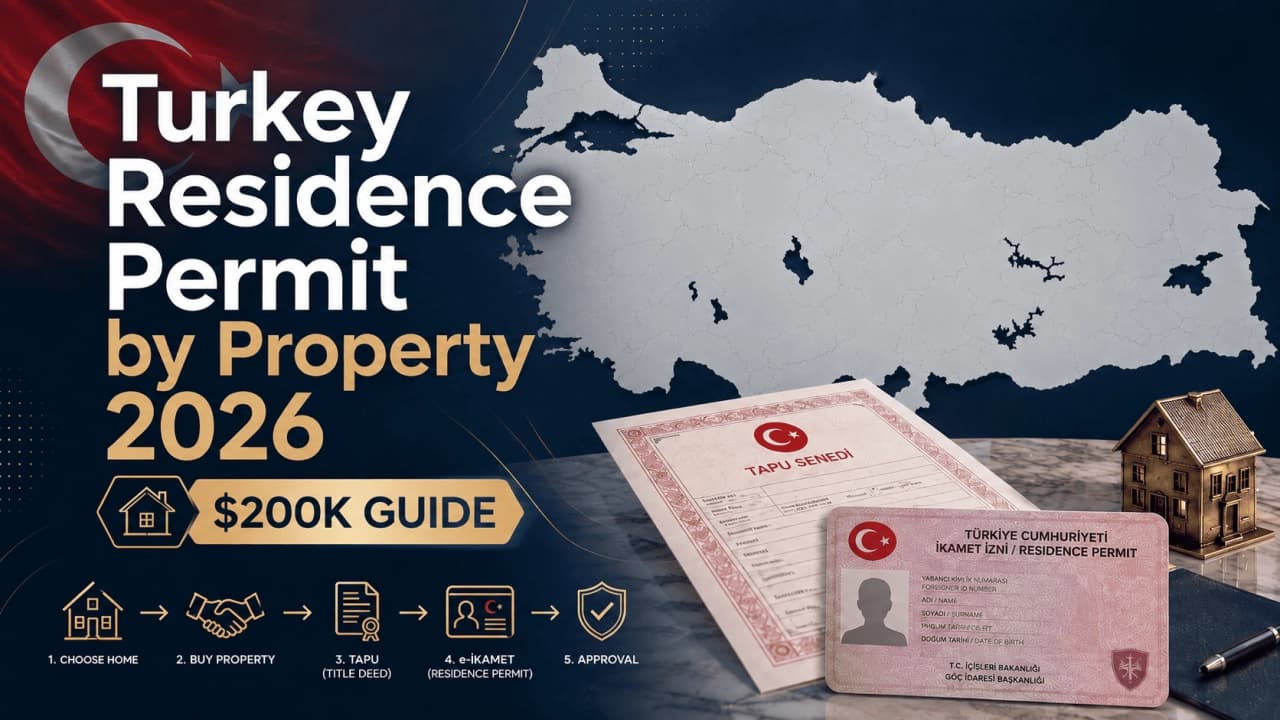
Residence Permit Through Property Ownership
Owning property in Turkey may allow eligible foreign nationals to apply for a residence permit, subject to current immigration regulations.
A residence permit enables owners to spend extended periods living in Turkey while enjoying access to many public services.
Applicants should always verify the latest legal requirements before applying.
Turkish Citizenship by Investment
Turkey continues to operate one of the world's most attractive Citizenship by Investment programs.
Eligible real estate investments may allow qualified applicants—and, in many cases, their immediate family members—to apply for Turkish citizenship.
Benefits include:
Turkish passport
Full ownership rights
Access to healthcare
Education opportunities
Business advantages
Long-term residency
Because regulations may change over time, buyers should consult qualified legal professionals before making investment decisions based on citizenship eligibility.
Timeline: How Long Does the Buying Process Take?
The exact timeline depends on the property, financing, and documentation.
However, a typical purchase generally follows this sequence:
| Step | Estimated Time |
|---|---|
| Property Search | 1–4 weeks |
| Apartment Reservation | 1–3 days |
| Tax Number & Bank Account | 1–3 days |
| Legal Due Diligence | 3–10 days |
| Sales Contract | 1–2 days |
| Payment Process | 1–7 days |
| Tapu Transfer | 1 day |
| Utility Registration | 1–5 days |
In many cases, the entire purchasing process can be completed within two to four weeks, provided all documents are prepared in advance.
Key Takeaways
Buying an apartment in Istanbul is a well-established process that is accessible to foreign buyers. Success depends on careful planning, proper legal checks, and working with experienced professionals.
Before completing a purchase, buyers should:
Clearly define their investment goals.
Choose the right district.
Verify the developer's reputation.
Conduct legal due diligence.
Obtain a professional valuation.
Understand all taxes and ownership costs.
Keep accurate records of every payment.
Ensure the Title Deed is transferred correctly.
Following these steps not only protects your investment but also makes the buying experience smoother and more secure.
Expert Advice, Frequently Asked Questions & Final Thoughts
Buying an apartment in Istanbul can be one of the most rewarding investments you make, provided you approach the process with the right knowledge and professional guidance.
Foreign buyers often focus exclusively on the apartment itself while overlooking critical factors such as the neighborhood, legal procedures, future infrastructure projects, maintenance costs, and resale potential. These details can significantly influence both your return on investment and your overall ownership experience.
This final section highlights the most common mistakes buyers make, answers frequently asked questions, and summarizes the key steps for making a successful property purchase in Istanbul.
Common Mistakes Foreign Buyers Make
Even experienced investors can make costly mistakes when entering a new property market.
Understanding these common pitfalls can help you protect your investment.
Buying Based Only on Price
Many first-time buyers believe that the cheapest apartment offers the best investment opportunity.
In reality, low prices often reflect:
Poor location
Limited transportation
Weak rental demand
Aging buildings
Slow future appreciation
Instead of focusing solely on purchase price, evaluate the property's long-term investment potential.
Ignoring the Neighborhood
The apartment itself is only part of the investment.
The surrounding neighborhood determines:
Rental demand
Future appreciation
Lifestyle quality
Resale value
Always spend time exploring the surrounding area before making a purchase.
Choosing an Unknown Developer
Developer reputation matters.
Established developers typically provide:
Better construction quality
Stronger legal documentation
Higher resale values
Better property management
Research previous projects before committing.
Skipping Legal Due Diligence
Never assume that every property has perfect legal documentation.
Always verify:
Title Deed ownership
Construction permits
Occupancy permits
Outstanding debts
Mortgages
Court disputes
Hiring an experienced property lawyer is one of the best investments you can make.
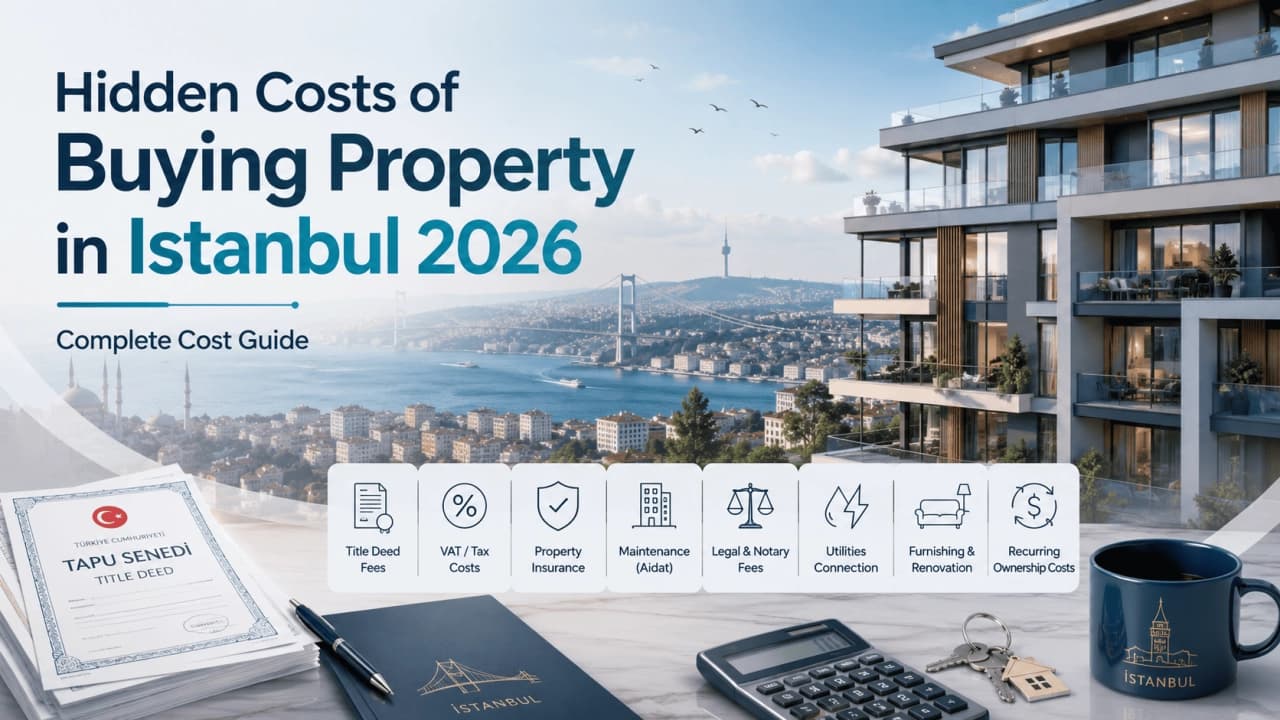
Underestimating Additional Costs
The purchase price is only one part of the total investment.
Buyers should also budget for:
Title Deed fees
Legal costs
Property valuation
Translation services
Annual property taxes
Building maintenance fees
Utility connections
Understanding the full cost of ownership prevents unpleasant surprises later.
Ignoring Maintenance Fees
Luxury apartment complexes often offer exceptional facilities.
However, these amenities also increase monthly maintenance costs.
Before purchasing, ask for:
Monthly Aidat
Services included
Planned future expenses
This information is particularly important for investors calculating rental returns.
Focusing Only on Today's Market
Successful investors think long term.
Ask questions such as:
Is a new metro station planned nearby?
Are there urban regeneration projects?
Will new business districts increase demand?
Are universities or hospitals under construction?
Future developments often influence property values more than current conditions.
Buying Checklist Before Signing a Contract
Before purchasing any apartment, ensure you have completed the following checklist.
Property
Confirm the apartment matches your investment goals.
Compare similar properties in the area.
Inspect the apartment carefully.
Verify building quality.
Legal
Confirm ownership.
Review the Title Deed.
Check for debts or mortgages.
Verify construction permits.
Hire an independent lawyer.
Financial
Calculate all purchase costs.
Estimate maintenance fees.
Evaluate expected rental income.
Review payment schedule.
Investment
Research future infrastructure.
Compare nearby apartment prices.
Assess rental demand.
Consider long-term appreciation.
Frequently Asked Questions
1. Can foreigners buy apartments in Istanbul?
Yes.
Citizens of most countries can legally purchase apartments in Istanbul with full ownership rights, subject to Turkish regulations.
2. Is buying property in Istanbul a good investment?
For many international buyers, yes.
Istanbul offers a combination of competitive prices, strong rental demand, ongoing infrastructure investment, and long-term appreciation potential.
3. Which district is best for investment?
There is no single answer.
Popular investment districts include:
Başakşehir
Kağıthane
Pendik
Küçükçekmece
Ataşehir
The best choice depends on your investment goals and budget.
4. Which district is best for luxury apartments?
Prestigious luxury districts include:
Sarıyer
Beşiktaş
Bebek
Nişantaşı
Etiler
Levent
These areas offer premium residences, Bosphorus views, and excellent long-term value.
5. Which district is best for families?
Family-friendly districts include:
Başakşehir
Bahçeşehir
Ataşehir
Beylikdüzü
Üsküdar
These areas provide excellent schools, parks, healthcare facilities, and modern residential communities.
6. Can I obtain Turkish citizenship by buying an apartment?
Turkey offers a Citizenship by Investment Program under specific legal requirements.
Because investment thresholds and regulations may change, consult a qualified legal advisor before making a purchase.
7. Do I need to travel to Turkey to buy property?
Not necessarily.
Many buyers complete the process using a legally issued Power of Attorney.
8. Can I rent out my apartment?
Yes.
Many foreign owners generate rental income through long-term residential rentals.
Rental regulations should always be reviewed before purchasing.
9. Is financing available for foreigners?
Some Turkish banks offer mortgage products for foreign nationals.
Availability depends on:
Nationality
Income
Property value
Bank policies
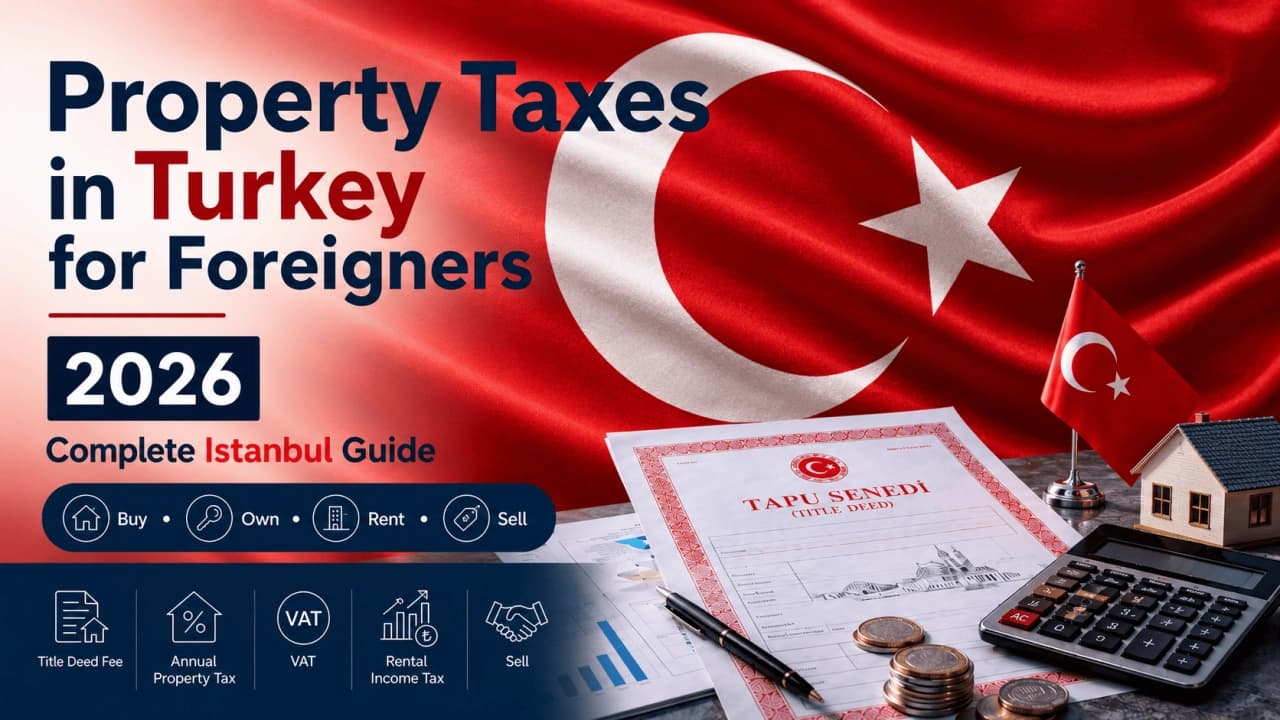
10. What taxes will I pay?
Typical costs include:
Title Deed Fee
Annual Property Tax
Maintenance Fees
Utility Costs
Additional taxes may apply depending on the property's characteristics and future sale.
11. Is earthquake safety important?
Absolutely.
Foreign buyers should prioritize modern developments built according to Turkey's latest earthquake regulations.
12. Should I buy a new apartment or a resale property?
Both have advantages.
New developments typically offer:
Modern facilities
Better earthquake standards
Developer warranties
Resale properties may offer:
Established neighborhoods
Larger living spaces
Immediate availability
13. What is the Title Deed (Tapu)?
The Tapu is the official ownership document issued by the Turkish Land Registry.
Legal ownership transfers only after the Tapu has been registered in the buyer's name.
14. What is Aidat?
Aidat is the monthly maintenance fee paid by apartment owners.
It covers shared services such as:
Security
Cleaning
Landscaping
Elevators
Shared facilities
15. What should I look for before buying?
The most important factors include:
Location
Transportation
Construction quality
Developer reputation
Legal documentation
Rental demand
Future infrastructure
Long-term appreciation
Conclusion
Buying an apartment in Istanbul is about much more than owning real estate. It is an opportunity to invest in one of the world's most dynamic metropolitan property markets while benefiting from a city that connects Europe and Asia.
Whether your objective is generating rental income, relocating with your family, diversifying your investment portfolio, or obtaining Turkish citizenship through investment, Istanbul offers an exceptional range of opportunities across every price segment.
The key to a successful purchase is not simply finding the most attractive apartment—it is selecting the right district, understanding the legal process, evaluating long-term market potential, and working with experienced professionals who can guide you through every stage of the transaction.
As Istanbul continues to expand through new transportation projects, financial centers, healthcare campuses, and residential developments, carefully selected apartments are expected to remain attractive assets for both lifestyle buyers and long-term investors.
With proper research and professional guidance, buying an apartment in Istanbul can become one of the smartest real estate decisions you make.